

 See My Latest Article on HelloNation
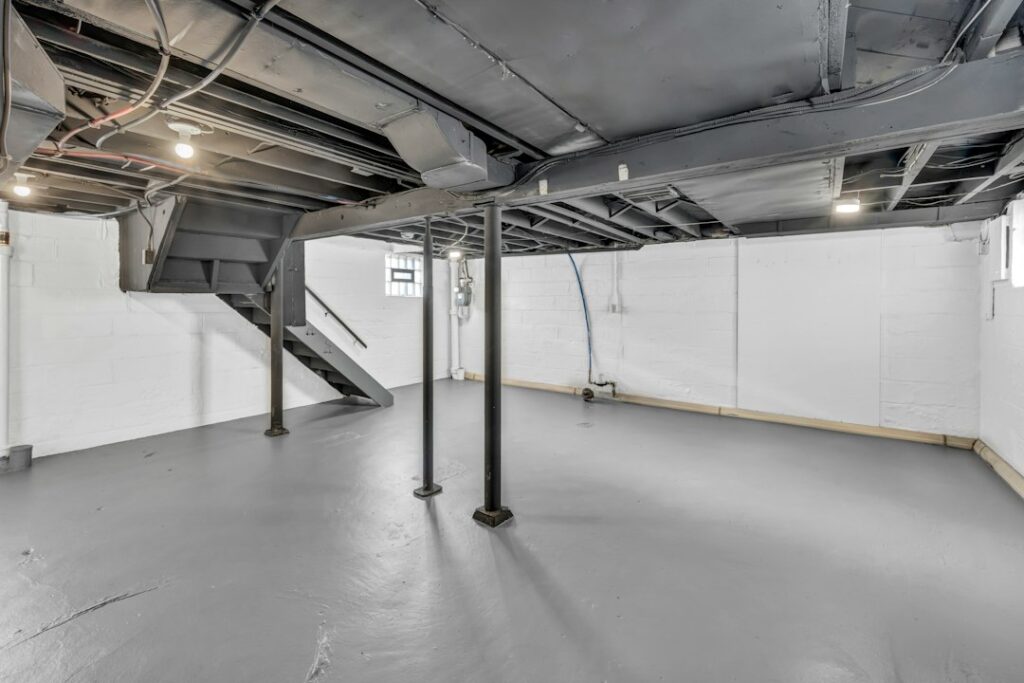
A home viewing is more than a chance to assess paint colors, room sizes, and furniture placement. It is an opportunity to look for signs of moisture, deferred maintenance, structural movement, drainage problems, and systems that may need costly attention after purchase.
In Pittsford, seasonal temperature changes, snow, ice, spring rainfall, mature landscaping, and older housing stock can all affect a property. A careful viewing will not replace a professional inspection, but it can help buyers recognize questions that deserve closer review.
What exterior warning signs should buyers look for?
The outside of a house can reveal drainage, foundation, roof, and maintenance concerns before a buyer steps indoors. Walk around the property if conditions and access allow, rather than viewing the home only from the front entrance.
Look for:
- Cracks in the foundation, especially wide, stair-step, horizontal, or repeatedly repaired cracks
- Soil that slopes toward the house instead of away from it
- Standing water, muddy areas, or unusually damp ground near the foundation
- Downspouts that discharge close to the house
- Missing, curling, or damaged roof shingles
- Sagging rooflines or visibly uneven sections
- Rotting trim, soft porch boards, or peeling paint around windows
- Trees or large limbs positioned close to the roof, chimney, or utility lines
Some foundation cracks are minor, but their location, width, direction, and signs of movement matter. A freshly painted section of masonry or a patch that appears inconsistent with surrounding materials may indicate a past repair. It is reasonable to ask what caused the repair and whether supporting documentation is available.
Seasonal conditions can hide problems. Snow may cover grading issues, damaged pavement, or low areas where water collects. During warmer months, dense vegetation can conceal foundation walls, siding, drainage features, and insect-related damage.
Which indoor signs may indicate moisture or water intrusion?
Musty odors, staining, and unusual materials are among the most useful indoor clues. A home does not need visible standing water to have a moisture problem.
Pay attention to:
- Brown, yellow, or irregular ceiling stains
- Fresh paint on only part of a ceiling or wall
- Bubbling paint, peeling wallpaper, or swollen drywall
- Warped flooring near exterior doors, bathrooms, kitchens, or basement stairs
- Damp or musty smells in lower levels and closets
- White, chalky residue on masonry walls
- Rust around pipes, heating equipment, or floor drains
- Dehumidifiers, fans, or air fresheners running continuously
In a basement, inspect the floor-to-wall joint and the areas around windows, utility penetrations, sump equipment, and floor drains. A finished basement may look comfortable while concealing damp masonry or previous water damage behind walls and flooring.
Ask whether the property has experienced flooding, seepage, frozen pipes, sewer backup, or sump pump failure. A seller’s disclosure may provide useful information, but buyers should still treat visible evidence and odors as reasons to ask more detailed questions.
How can buyers spot structural or foundation concerns?
Structural warning signs usually involve patterns rather than a single cosmetic defect. Doors and windows that stick occasionally may be caused by humidity, but several misaligned openings throughout the house deserve closer attention.
Notice whether:
- Floors feel noticeably sloped or uneven
- Doors swing open or closed without being moved
- Windows are difficult to open, lock, or close
- Cracks extend from door and window corners
- Drywall seams repeatedly crack or separate
- Floor joists, beams, or posts appear altered, damaged, or poorly supported
- Chimneys lean away from the house or have separated from exterior walls
Furniture and rugs can hide uneven flooring. If permitted, look along long walls and floor transitions where changes in level are easier to see. Do not remove finishes or move heavy objects, but note anything that appears inconsistent.
Not every crack signals a major structural defect. Homes move, materials expand and contract, and older plaster can crack with age. The concern is whether several signs appear together or whether a repair seems active, recurring, or unexplained.
What electrical and plumbing issues should be checked during a viewing?
A viewing is not a system inspection, but basic observations can identify safety questions. Test ordinary switches, lights, faucets, and toilets when access is available and the property is occupied or being shown with permission.
Look for:
- Warm, discolored, loose, or damaged electrical outlets
- Extension cords used as permanent wiring
- Flickering lights or switches that do not operate as expected
- Missing covers on electrical boxes
- Plumbing leaks under sinks or around toilets
- Water pressure that changes sharply when another fixture runs
- Slow drains, gurgling sounds, or sewage-like odors
- Corrosion on exposed supply lines or valves
- Evidence of past leaks inside cabinets

An older electrical panel, unusual wiring, or a lack of outlets does not automatically make a home unsafe, but it may affect future repairs, insurance questions, or renovation plans. Plumbing materials and heating systems also vary widely by age. Record the apparent age and condition of major equipment, but avoid assuming that a newer-looking surface means the system itself is new.
What heating, cooling, and insulation clues matter in Pittsford?
Heating performance is especially relevant during cold weather, while summer viewings can reveal whether rooms stay comfortable under heat. Temperature differences between rooms may point to insulation gaps, duct problems, aging equipment, or poor air sealing.
During a viewing, notice:
- Rooms that feel substantially colder or warmer than adjacent spaces
- Drafts near windows, doors, attic hatches, and rim joists
- Condensation on windows
- Rust, soot, or unusual odors around heating equipment
- Noisy, short-cycling, or frequently running mechanical systems
- Ice-dam staining or damaged ceilings near roof edges
- Limited insulation visible in unfinished attic or basement areas
Ask when the furnace, boiler, heat pump, or air-conditioning equipment was installed and whether maintenance records exist. A system that operates during a showing may still be near the end of its useful life. Buyers should also ask whether fuel tanks, chimneys, fireplaces, or wood-burning equipment require special maintenance or inspections.
What neighborhood and site conditions should be considered?
A house can appear sound while the surrounding site creates recurring problems. Observe the street, driveway, nearby slopes, drainage paths, retaining walls, and relationship between the home and surrounding properties.
Consider:
- Whether the driveway slopes toward the garage
- Cracked or heavily patched pavement
- Retaining walls that bulge, lean, or show displaced blocks
- Water flowing toward the property from higher ground
- Low basement windows close to soil level
- Limited access for roof, siding, or foundation maintenance
- Traffic, outdoor noise, or drainage conditions that may vary by time of day
Visit more than once when possible. A sunny afternoon may not reveal how the property handles heavy rain, evening traffic, snow storage, or morning frost. Seasonal conditions can change the way a lot functions, particularly where mature trees, steep grades, or older drainage systems are involved.
Which red flags require immediate follow-up?
Some observations should not be dismissed as ordinary wear. Prompt follow-up is appropriate when a viewing reveals active water entry, exposed wiring, strong fuel or sewage odors, major structural movement, unsafe stairs, damaged chimney components, or suspected hazardous materials.
Before making a decision, keep written notes and photographs where permitted. Ask clear questions about age, repairs, permits, insurance claims, water history, and known defects. A home inspection should evaluate the property’s condition in detail, but buyers should tell the inspector about specific concerns noticed during the viewing.
The most useful question is not simply, “Does anything look wrong?” It is, “What evidence suggests this condition is active, recurring, concealed, or likely to require substantial repair?” That approach helps separate normal aging from problems that may affect safety, cost, comfort, or long-term ownership.