

 See My Latest Article on HelloNation

Why Prepare Your Home for Sale?
Presenting a home in its best condition often influences both selling price and how quickly it attracts interested buyers. In the Pittsford, NY area, local buyers typically value well-maintained, move-in-ready spaces and pay special attention to details that reflect regional lifestyles.
What Repairs and Maintenance Make the Most Difference?
Tackling deferred maintenance and minor repairs is a practical starting point. Small issues—like leaky faucets, chipped paint, or sagging gutters—can signal neglect to buyers, even if the home is otherwise in good condition.
- Check all light fixtures and replace burned out bulbs
- Repair or touch up walls, baseboards, and trim
- Fix squeaky doors, loose railings, or sticking windows
- Service heating and cooling systems, especially before showing the home in variable seasons
- Clean or repair walkways and stoops since local residents notice exterior safety in winter and spring
Home inspectors in this region often flag overlooked routine items. Even small, non-urgent repairs can become negotiation points if left unfinished.
How Important Is Curb Appeal in This Community?
First impressions start outside, and in Pittsford’s neighborhoods, well-cared-for landscaping and facades matter to buyers even during colder seasons. Routine lawn care and some seasonal touches offer the most impact without major investment.
- Mow, edge, and clean up the yard
- Trim hedges and trees away from the house
- Clear snow, leaves, and debris from paths and driveways during seasonal changes
- Add fresh mulch to beds, and consider potted plants at the entry in spring and summer
- Touch up exterior paint, especially around the front door and trim
In early spring, melting snow exposes hidden debris, so a thorough clean-up before listing is time well spent.
What Interior Updates Add Value Without Major Renovations?
Focusing on cost-effective updates is smarter than making sweeping changes, as tastes vary and local buyers may want to personalize after purchase. Neutral colors, clean lines, and bright spaces resonate most.
- Repaint bold or personalized walls in a neutral, light tone
- Update outdated hardware on doors and cabinets
- Replace tired bathroom caulk or grout
- Deep clean carpets or refinish worn hardwood floors
- Make sure windows are clean and let in as much light as possible
In the community, older homes are often prized, but modern touches that don’t erase original character can broaden your pool of interested buyers.
How Should You Declutter and Depersonalize for Showings?
Creating an inviting, distraction-free environment helps buyers imagine themselves in the space. Removing clutter and reducing personal items is especially important, as local buyers often look for storage and organization.
- Clear off kitchen and bathroom counters
- Store or donate unused furniture to make rooms feel larger
- Remove most personal photos and memorabilia from walls and surfaces
- Organize closets to highlight available storage space
Overcrowding, even in spacious homes, makes spaces feel smaller to prospective buyers.
What About Seasonal and Climate Considerations?
Pittsford’s climate, with its cold winters, wet springs, and humid summers, presents unique challenges that can affect how a home is presented.
- Ensure all windows and doors are properly sealed to show energy efficiency
- Provide a doormat for wet weather and a place for shoes
- Highlight features like fireplaces in winter or ceiling fans in summer, depending on the season
- Address any signs of water intrusion in basements or garages, which can be a red flag after heavy rain or snowmelt
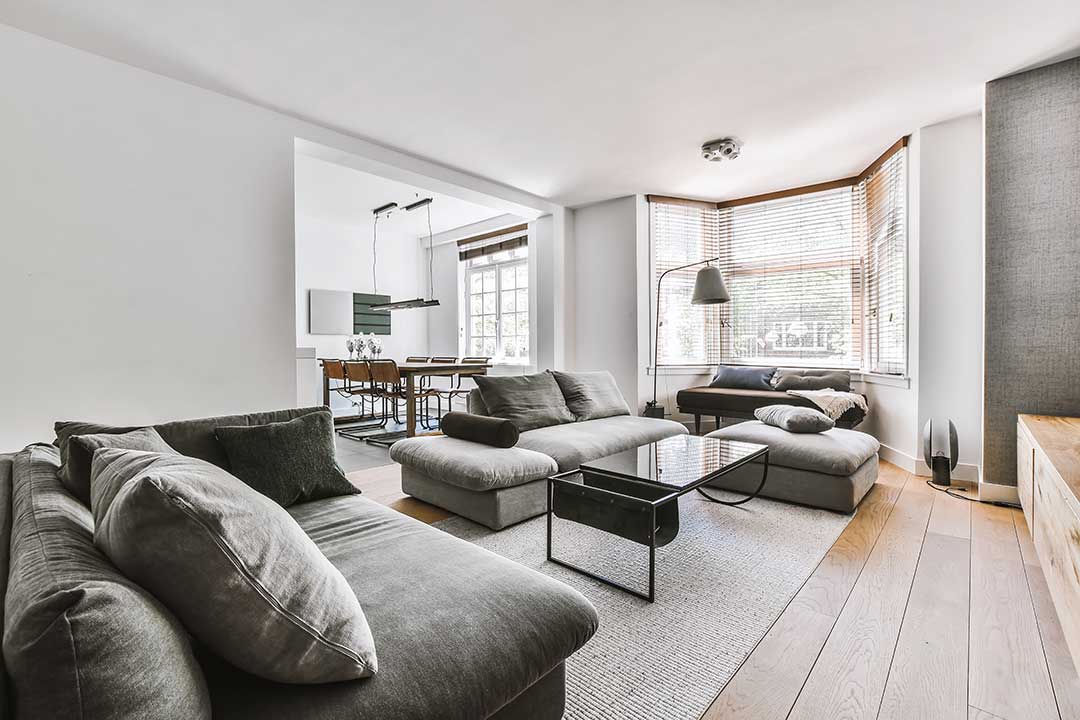
Preparing for weather-related concerns shows attentiveness that local buyers value.
How Can Lighting and Staging Make a Difference?
Well-lit, thoughtfully arranged spaces look more appealing in person and in listing photos or virtual tours.
- Open curtains and blinds to maximize daylight
- Add warm, even lighting with lamps as needed
- Arrange furniture to emphasize open space and clear pathways
- Set the dining table or arrange a few tasteful accessories on shelves and mantels
Staging can be as simple as rearranging existing items to make rooms look clean, open, and comfortable.
What Paperwork or Documentation Should Be Ready?
Having property information and relevant records prepared is a practical step that streamlines the sale process.
- Recent utility bills to show typical costs
- Maintenance records for major systems or appliances
- Manuals and warranties for mechanical equipment
- Documentation for any recent work or improvements
Being organized with documents can answer common questions that arise during showings or negotiations.
Are There Local Rules or Regulations to Consider?
Home sales in the area must comply with certain property disclosure laws and inspection standards. Residents should be ready to provide a completed property condition disclosure statement. If a home has a septic system or private well, there may be additional county or municipal requirements. Ensuring compliance ahead of time avoids delays at closing.
What Do Buyers Typically Notice or Ask About During Showings?
Feedback from local buyers often centers on the age and condition of roofs, windows, and mechanical systems. Many are conscious of energy efficiency, especially given seasonal temperature swings. Common questions include:
- How old is the roof and when was it last inspected?
- Are windows original or updated for insulation?
- When was the furnace or air conditioner serviced?
- Is there a record of regular chimney maintenance?
- Are sump pumps or drainage systems in good working order?
Anticipating these inquiries and addressing them before listing helps build trust and reduce negotiations later on.